Becoming a Commercial Pilot in Europe: Requirements and Process
For a lot of people, the concept begins young. A launch from a stormy local airport terminal. A vacation flight where the cabin door was still open during boarding. A family pal in uniform that appeared to belong to a world of accuracy, traveling, and responsibility. After that comes the grown-up inquiry: just how do you in fact come to be an industrial pilot in Europe, and what does the course really look like when you surpass the dream?
The short solution is that Europe offers a well-structured, highly controlled course to the cockpit, mainly under the EASA system, which stands for the European Union Air Travel Security Firm. The longer solution is that there are numerous training paths, significant distinctions between nations and colleges, and a couple of tough truths regarding cost, timing, clinical eligibility, and task competitors that every striving pilot must recognize prior to spending serious money.
If you are attempting to map the procedure from no experience to your first paid flying job, it assists to think in regards to licenses, scores, hours, and employability. A business pilot is not simply a person with a solitary certificate. You build a pile of credentials, and each piece matters.
The framework that governs pilot training in Europe
Most aiming industrial pilots in Europe train under EASA policies. That issues since an EASA permit is acknowledged throughout taking part participant states, which makes flexibility far much easier than it would be under a patchwork of separate nationwide systems. Train in Spain, sit tests in Ireland, work for an airline company based in Germany, and the documents can still line up, supplied every little thing is released and maintained within the same governing framework.
That said, Brexit transformed the landscape a bit. The UK currently operates under its very own CAA system as opposed to EASA, so anybody preparing to work in both the UK and landmass Europe requires to pay very close attention. I have seen pupils presume a license step would be simple, only to discover that conversion, exam, or clinical demands were extra included than anticipated. It is workable, yet not something to leave for later.
Within continental Europe, the major objective for airline-bound students is usually an icy ATPL. That phrase confuses almost every person initially. You do not begin by getting a complete Airline company Transportation Pilot Permit in the practical sense. Instead, you gain a Commercial Pilot Licence, finish the ATPL theory exams, include a multi-engine tool ranking, and usually a multi-crew collaboration course. When those items remain in area, you hold what the industry informally calls a frozen ATPL. It is the conventional credentials for an initial officer work at many airline companies. The "freeze" is lifted later, as soon as you reach the needed trip experience.
Before training starts, the clinical comes first
Anyone major concerning this profession must schedule a Class 1 clinical prior to paying down payments to a flight institution. Not after choosing an institution, not after taking discovery lessons, and most definitely not after signing money agreements.
A Course 1 medical is the expert criterion for commercial flying. It is more stringent than the medical made use of for exclusive flying and includes examine vision, hearing, cardiovascular wellness, neurological condition, basic health and fitness, and extra. The information varies a little by age and authority, but the concept coincides: the regulatory authority needs self-confidence that you can safely operate in an expert environment.
Eyesight is just one of the largest anxieties for applicants. Many individuals assume glasses automatically finish the dream. Commonly they do not. Plenty of pilots fly with restorative lenses. What matters is whether your vision can be remedied within accepted standards and whether there are any type of invalidating problems behind it. The exact same applies to a series of health issues. A medical history is not an automated no, but it does mean you need to get a genuine response from an flight schol accredited aeromedical supervisor rather than counting on discussion forum gossip.
I have actually understood people who spent months contrasting academies, just to be delayed or rejected on a clinical concern they can have checked at the start. It is among the few components of the process where a small very early step can save a huge amount of wasted effort.
Academic needs, language, and personal suitability
Europe does not have one solitary academic limit across every institution, but many business pilot programs expect a solid secondary education. Mathematics and physics are commonly chosen, specifically for incorporated airline-focused programs, though they are not constantly compulsory. If your institution qualities are average rather than outstanding, do not think you are out. Trip training is not the same as college. It is extremely practical, self-displined, and skill-based. What issues at least as much is your capacity to soak up treatments, manage work, and keep discovering under pressure.
English is necessary. Not optional, not "valuable", essential. Aeronautics language throughout Europe is constructed around English, and also airlines based in non-English-speaking countries commonly operate in English and train in English. To work properly, you require to fulfill the required language efficiency standard, commonly at ICAO Degree 4 or above. A student that can handle conversational English but battles with quick talked instructions, technical product, or radio phrasing is going to have a difficult time.
The softer skills matter greater than some candidates expect. Reliable timekeeping, calm decision-making, teachability, and steady actions under stress and anxiety carry genuine weight. Traveling is technical, yet it is also procedural and social. In multi-crew operations, a pilot that is brilliant however hard to work with is not a terrific prospect.
The two big training paths: integrated and modular
This is just one of the initial major decisions, and it forms both expense and lifestyle.
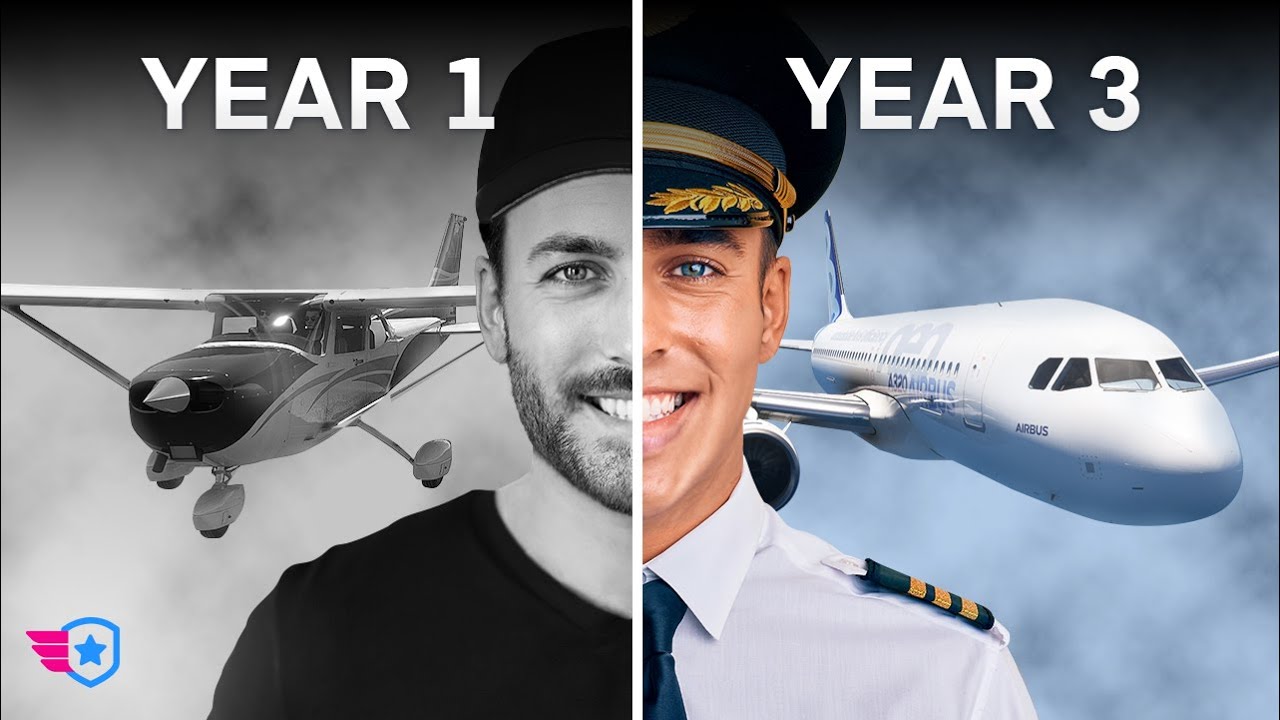
Integrated training is the all-in path. You register in an organized full-time program that takes you from little or no experience through the qualifications required to be airline-employable. It is designed as one connected course, frequently with a predictable timeline, academy setting, and airline-style culture. For more youthful pupils that can dedicate totally and money the program, it can be reliable and immersive.
Modular training breaks the process into components. You could gain an exclusive permit initially, construct hours while functioning an additional work, complete concept at your very own pace, after that include commercial, instrument, and multi-engine training later on. It is usually much more versatile and can be less expensive, however it requires self-management. Pupils that succeed on the modular path have a tendency to be organized and practical. Trainees that drift can lose energy for years.
Neither course is immediately better. Integrated training can really feel more streamlined, however it can also be a huge financial commitment with little room to pause. Modular training uses liberty, yet flexibility cuts both ways. A motivated modular student might do with wide flying experience and profundity. An additional might wind up with fragmented training and slow progress.
What the actual training series looks like
At a useful level, most future commercial pilots resolve a series that looks something like this:
- Obtain a Class 1 medical and start preliminary trip training.
- Earn an Exclusive Pilot Permit, or complete the equal phase within an incorporated course.
- Build flight experience and total ATPL academic expertise exams.
- Add an Industrial Pilot Permit, tool rating, multi-engine certification, and multi-crew collaboration training.
- Apply for airline company analysis, kind score opportunities, or entry-level industrial flying jobs.
That appears tidy on paper. The real world is usually less tidy.
A trainee in southerly Spain might log flights gradually via good weather and finish near to timetable. An additional training in northern Europe might hit lengthy weather condition delays in winter months and need additional weeks or months. One pupil might wind through concept but require even more hours polishing instrument treatments. One more might fly very normally yet locate the ATPL examination volume laborious. This is typical. Pilot training is demanding since it requests for competence in numerous different domains at once.
The private pilot phase, where the foundations are built
Even if your passion is the ideal seat of an Airplane or Boeing, the very early training often looks modest. Light single-engine airplane, circuit method, navigation workouts, climate instructions, and repetitive drills. This stage teaches the fundamentals that stay essential for the remainder of your occupation: airmanship, situational awareness, list self-control, radio interaction, and the practice of staying ahead of the airplane.
Students sometimes underestimate just how vital this phase is since it feels much removed from airline flying. That is an error. Teachers can inform really early that is establishing excellent habits and that is attempting to bluff their means via weak prep work. The pupils that make smooth progression later on are normally not the showy ones. They are the ones who show up prepared, ask sharp concerns, and fly consistently.
The exclusive stage likewise exposes whether you genuinely like flying, not simply the picture of flying. Some people enjoy separation and arrival however dislike research, repetition, and scrutiny. Professional aviation consists of all three.
ATPL theory, the component numerous pupils find harder than expected
The ATPL academic knowledge curriculum is comprehensive. It covers topics such as air law, meteorology, performance, flight preparation, human efficiency, navigation, instruments, mass and equilibrium, and operational procedures. Trainees commonly walk in expecting "pilot exams" to be mainly regarding flying. Rather they satisfy a volume of research that can really feel closer to a technical degree crammed right into a much shorter period.
This is where self-displined study behaviors settle. There is a lot to remember, however memorization alone is inadequate. You require to recognize what numbers imply operationally. Performance calculations are not simply class exercises. Weather condition theory is not facts. Gas preparation, alternative option, icing danger, and aircraft restrictions all come to be real-world judgment calls later.
A typical pattern is that solid practical flyers become discouraged below, while academically more powerful pupils really feel comfortable at first but battle when the cockpit workload boosts. Good colleges try to sustain both types, but no college can remove the need for continual effort.
CPL, tool ranking, and multi-engine training
The Business Pilot Permit transforms your flying from exclusive advantage into professional qualification. Standards tighten. You are expected to be more precise, much more refined, and a lot more procedural. The tool rating is perhaps the most career-critical component due to the fact that airline operations are instrument-based. Traveling by reference to instruments, handling strategies in inadequate weather condition, understanding en-route procedures, and preserving accuracy while your mental workload spikes, this is where numerous students begin to feel they are moving from pastime flying right into real expert training.
The multi-engine stage adds one more layer. Light twins are not airliners, of course, yet they present uneven flight, engine-out treatments, and greater systems awareness. The first time a trainee manages substitute engine failing after departure in a twin, the lesson generally leaves an impact. There is no area for unclear thinking. Aviate, determine, verify, act. Calmly, appropriately, and in sequence.
By the moment you finish business, instrument, and multi-engine training, you are no more just discovering how to make an aircraft fly. You are finding out just how to operate securely, exactly, and predictably under a regulatory standard.
MCC, airline company prep work, and the dive to employment
Multi-Crew Collaboration, commonly combined with Jet Positioning Educating at some institutions, is where the training begins pilot vision requirements to resemble airline work much more closely. The focus changes toward crew source administration, callouts, task sharing, standard procedure, and decision-making in a two-pilot environment.
This matters because numerous low-hour graduates have extremely limited experience operating in a true crew setting. General aviation can be singular. Airline flying is not. Airline companies desire pilots who can adhere to SOPs, communicate clearly, and function as component of a group. A gifted stick-and-rudder pilot that disregards procedure is not attractive to an airline company recruiter.
After that comes the least predictable stage: obtaining the very first job. This is where positive outlook must meet realism. A fresh grad is certified, however not instantly utilized. Market problems change. Some years see heavy hiring. Others slow-moving greatly. Base area, right-to-work condition, language skills, and desire to relocate all impact your odds.
What it normally sets you back, and where people obtain caught out
The headline cost for industrial pilot training in Europe is high sufficient to demand sober planning. Depending upon path, college, country, airplane accessibility, and the amount of added hours you need, total training expenses usually land somewhere in the rough variety of EUR70,000 to EUR120,000, and occasionally more.
The catch is believing the released program fee is the entire tale. It rarely is.
Here are some costs individuals frequently undervalue:
- Medical exams, revivals, and periodic professional follow-up
- Examination costs, licensing charges, and authority charges
- Accommodation and living expenses throughout full time training
- Extra flight hours if progression is slower than the program minimum
- Type rating expenses, depending upon company and market conditions
That last point is entitled to treatment. In some employing settings, airlines offer the type rating, indicating training on a particular aircraft such as an A320 or B737. In others, prospects may require to money all or component of it. This can include a considerable total up to the financial photo. Plans differ, and they change in time, so anybody budgeting need to ask institutions and recent graduates what prevails now, not what made use of to be common five years ago.
Choosing a college without being dazzled by marketing
Flight schools know they are marketing a dream, and some are very polished at it. Consistent pictures, modern simulators, shiny airline partnerships, bases in bright areas. None of that is useless, yet none of it replaces the basics.
The high quality of guideline, aircraft accessibility, maintenance integrity, organizing self-control, and student support matter greater than branding. So does the college's sincerity. A college that explains likely delays, realistic conclusion times, and extra-cost scenarios is usually a much better bet than one that promises a smooth path.
If feasible, talk with current trainees and current grads privately. Ask how usually trips are canceled for functional reasons, just how conveniently trainers can be reserved, whether theory support is strong, and how many trainees end up on schedule and near to the sticker price. The answers can be extra revealing than any brochure.
Location likewise matters more than individuals think. Great climate can speed up flying progress. Busy controlled airspace can boost radio confidence. A school at a peaceful landing field might be perfect for basic handling skills but slower for exposure to intricate procedures. There is no best arrangement, only compromises.
Building hours and employability after training
A recently qualified commercial pilot may still have reasonably reduced overall flight time by airline company standards. In Europe, this is typical. Airlines typically recruit pilots with frozen ATPLs and build them from there, particularly via cadet or abdominal initio pathways. Yet outside those paths, low-time pilots sometimes require patience and flexibility.
Some beginning in trip instruction if they include a trainer rating. Others try to find study work, ferry flights, skydive operations, or small charter possibilities. These work are not constantly extravagant, but they can build experience, confidence, and calls. A teacher with 1,000 hours of varied real-world traveling might bring stronger judgment into an airline cabin than a person whose hours are much less operationally rich.
What matters most is staying present, remaining professional, and not vanishing right into lack of exercise after college graduation. Abilities fade. So does confidence.
The right to work inquiry, which can be as crucial as the license
This is one location candidates sometimes observe far too late. A legitimate European certificate is not the same point as unlimited right to work in every European nation. Immigration standing can shape your options substantially. An airline company might like your evaluation outcome and still be not able or resistant to sponsor you.
For non-EU candidates, this can end up being the specifying functional issue. Training in Europe may still be worthwhile, however it needs to be connected to a sensible employment method. That could imply targeting countries where you currently have job rights, taking into consideration conversion to another licensing system later on, or selecting a college with real positioning links as opposed to obscure claims.
What makes pupils succeed, past raw talent
People commonly ask whether becoming a commercial pilot depends primarily on all-natural flying capability. It helps, of course, yet it is not the main aspect. The pupils who succeed regularly are normally the ones that combine average-to-good aptitude with reliability.
They prepare before lessons. They debrief honestly. They accept modification without ego. They budget meticulously. They maintain their medical legitimate. They do not disappear for 3 weeks in between training blocks and expect to get where they left off. They deal with the procedure like a career before they are paid like one.
One former teacher I understood used to say he stressed less about the student that struggled on high turns and more regarding the student that always had an excuse. He was right. Technical weak points can be taken care of. A weak attitude is harder.
A reasonable picture of the occupation you are entering
Commercial flying in Europe can be rewarding, yet the incentives are linked to obligation and volatility. Early career wages vary widely. Bases might not be where you desire them. Lineups can be tiring. Hiring cycles can swing with gas prices, pandemics, geopolitics, and airline company method. This is not a job for a person who only desires traveling pictures and a uniform.
But for people who really enjoy the work, there is a great deal to such as. The standardization, the skill, the fulfillment of taking care of a requiring market well, the sensation of being relied on with a complicated device and a cabin packed with people that expect you to get the details right. Even after years in air travel, several pilots still really feel a quiet complete satisfaction on a crisp morning turnaround when the prep work is strong, the climate is convenient, and the whole operation clicks.
That is the deeper charm. Not beauty. Competence.
If you are standing at the start
The smartest first step is not to chase the fanciest academy. It is to obtain notified in the best order. Validate your medical. Understand the EASA structure. Compare integrated and modular training truthfully against your finances and character. Talk to functioning pilots, not simply employers. Allocate real expense, not the sales brochure price. Then dedicate properly.
Becoming a business pilot in Europe is absolutely achievable, but it is not informal. It takes money, uniformity, and a readiness to keep executing when the uniqueness wears off. For the ideal person, that test is part of the tourist attraction. You are denying a title. You are training right into a criterion, one lesson, one examination, and one choice at a time.